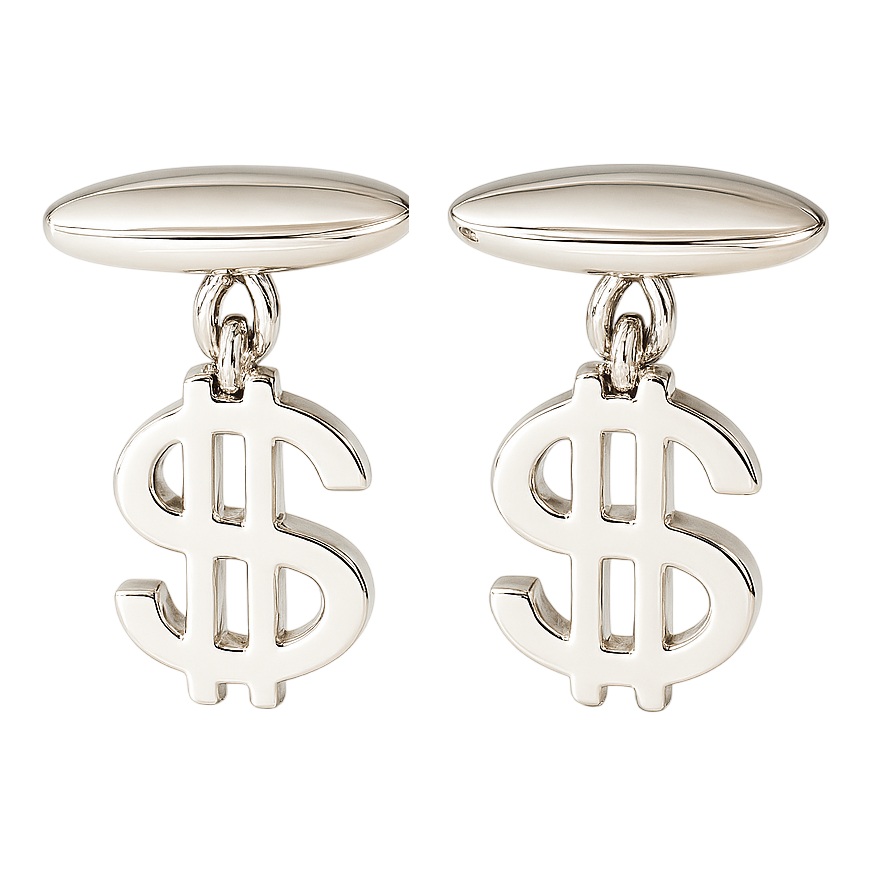
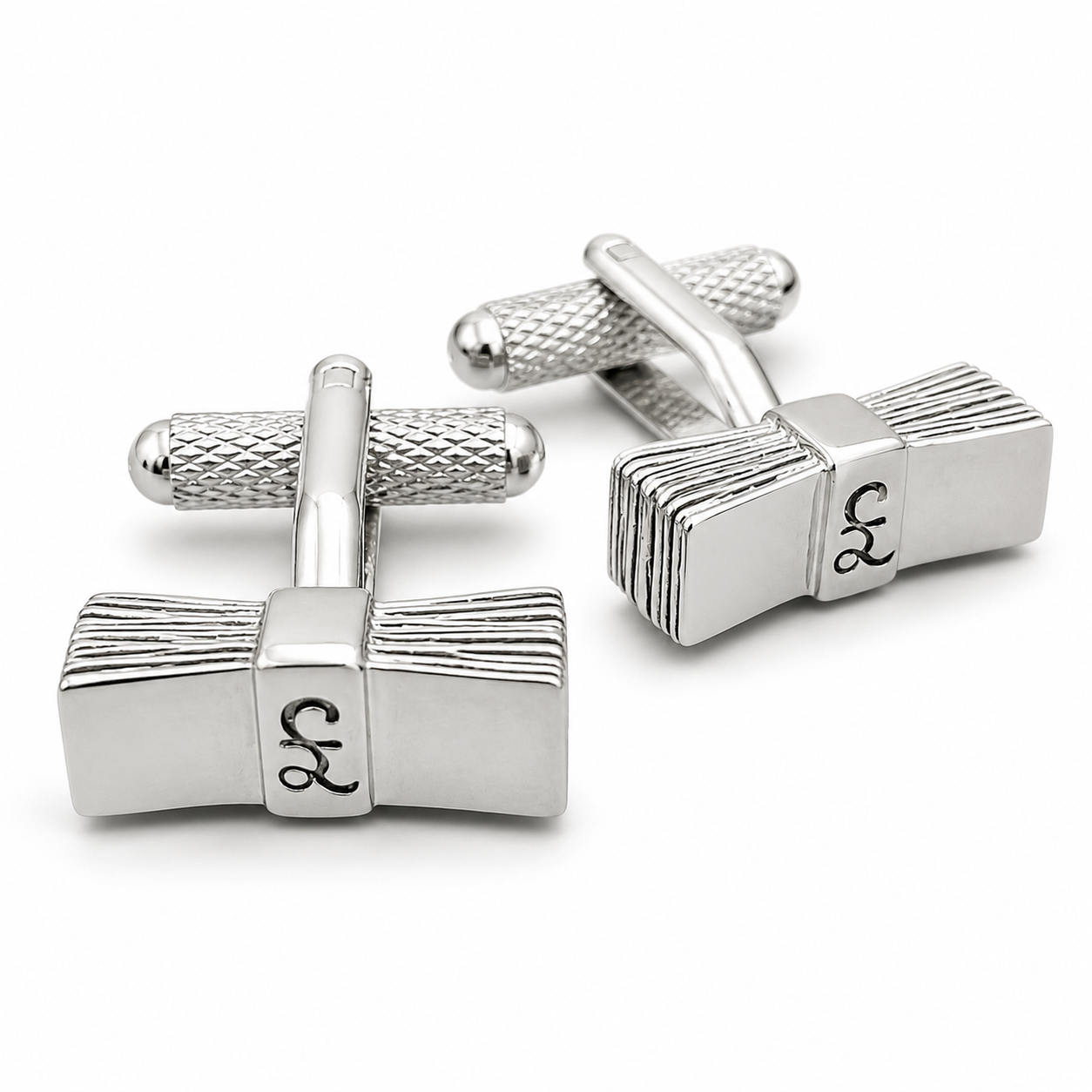
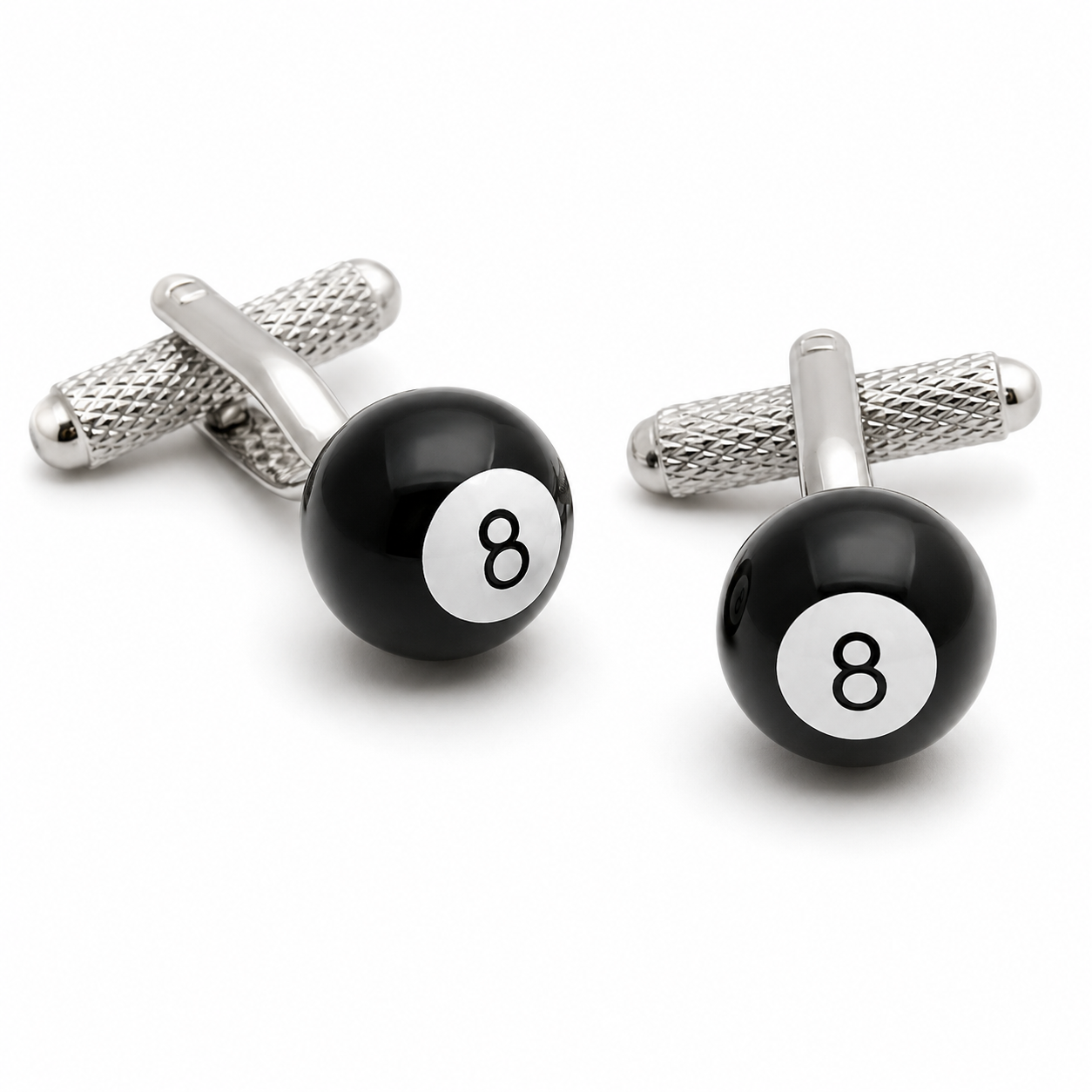
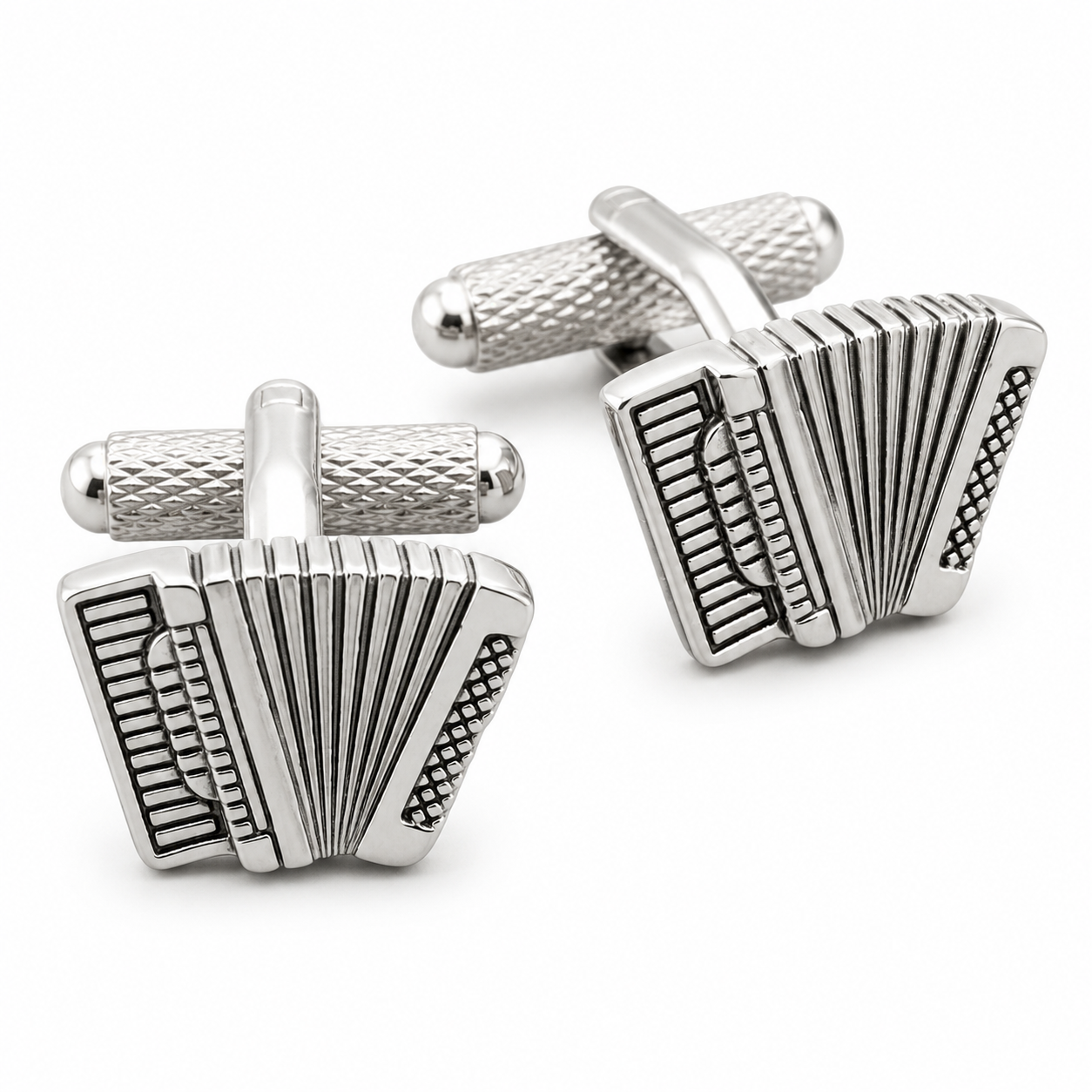
Before you can wear cufflinks, you need the right shirt. French cuff shirts — also known as double cuff shirts — have an extended cuff that folds back on itself, creating the perfect opening for a cufflink to pass through.
Investing in two or three quality French cuff shirts is the first step to building a cufflink wardrobe. Once you have them, the world of cufflinks opens up — and you'll wonder how you ever dressed without them.
Don’t bother typing “lorem ipsum” into Google translate. If you already tried, you may have gotten anything from “NATO” to “China”, depending on how you capitalized the letters. The bizarre translation was fodder for conspiracy theories, but Google has since updated its “lorem ipsum” translation to, boringly enough, “lorem ipsum”. One brave soul did take a stab at translating the almost-not-quite-Latin.
According to The Guardian, Jaspreet Singh Boparai undertook the challenge with the goal of making the text “precisely as incoherent in English as it is in Latin – and to make it incoherent in the same way”. As a result, “the Greek ‘eu’ in Latin became the French ‘bien’ […] and the ‘-ing’ ending in ‘lorem ipsum’ seemed best rendered by an ‘-iendum’ in English.”